
Rotable vs Expendable Parts
Learn how rotables and expendables behave differently in maintenance planning, inventory, purchasing, and cost control.
01
The lifecycle is the difference
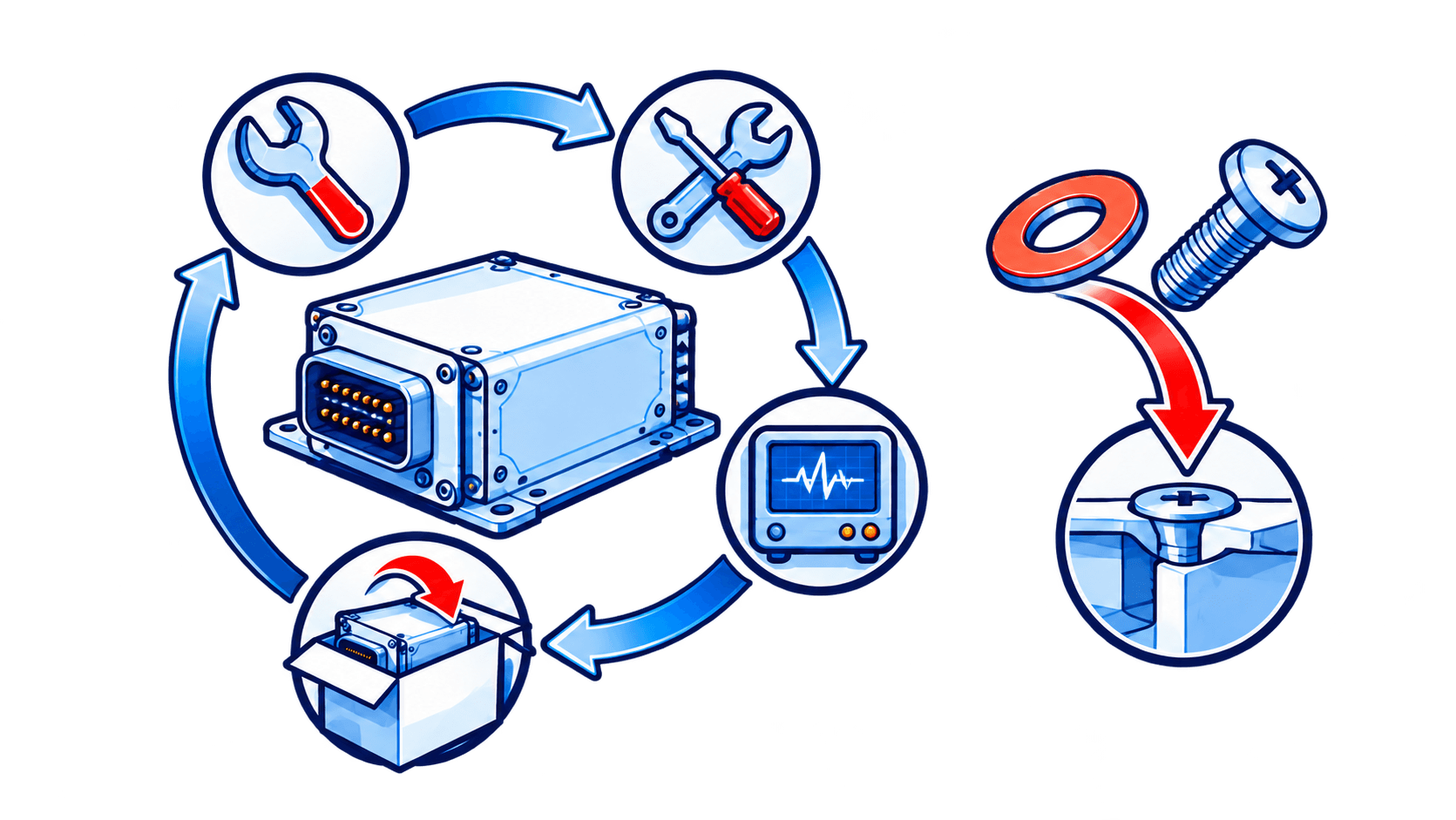
A rotable component is designed to be removed, repaired or overhauled, and returned to service multiple times. A starter, pump, actuator, or avionics unit may move through several service cycles during its useful life. Its value is tied to condition, remaining life, repairability, and the strength of its records.
An expendable part is generally installed once and replaced when removed or consumed. Many fasteners, seals, gaskets, and low-cost consumables fit this pattern. They are often managed through quantity, shelf life, specification, and availability rather than a repair loop.
02
Different planning signals
Rotables require visibility into cores, repair capacity, turnaround time, and exchange options. A shortage can be expensive because the aircraft may wait while a unit is sourced or repaired. Expendables need accurate min/max levels, reliable replenishment, and disciplined shelf-life control.
The part category should shape the question you ask a supplier. For a rotable, request serial-specific status, test or overhaul history, and exchange terms. For an expendable, confirm the exact specification, packaging, quantity, and date or lot controls.
- Track serialized rotable movements and repair status separately from bulk stock.
- Use shelf-life and lot controls for expendables where the specification requires them.
- Include core value, repair cost, and turnaround in rotable cost models.
03
A practical purchasing rule
Do not let the label replace the planning context. A rotable can be an urgent one-off requirement or part of a planned exchange pool. An expendable can be inexpensive per unit but operationally critical if it is unavailable during a maintenance event.
Good inventory and sourcing decisions connect the part’s lifecycle to the aircraft’s maintenance plan, not just to the line item’s price.